Pictures & Poetry
If a Man Kills
When a man kills, he must dig two graves––
one in the Earth for the dead,
and one in his soul for the dead man’s spirit,
or he will not return.
Titles or the landing section
The War That Walked Home
What We Ask Others to Carry
The Cost That Doesn’t Appear on Receipts
When Silence Becomes Policy
Entering the Tug of War
Images, videos and poetry…
Before You Read Further…
I did not bring home a weapon.
I brought home a weather system.
Some days it is quiet—
a still lake, a decent sky.
Other days it moves the furniture inside me
without asking.
You did not send me to war alone.
You paid for it.
You voted.
You looked away.
You went to work.
This is not an accusation.
It is an invitation.
Sit with me long enough
and you may feel the pull—
not of blame,
but of shared weight.
War is heavy.
So is silence.
Shadow Hearts
(from my own work)
Some wounds
do not bleed.
They wait.
They take shelter
behind good posture,
behind humor,
behind the practiced answer
to How are you doing?
These are the wounds
that do not earn ribbons.
No metal warms their chest.
No parade learns their names.
They live
where orders were followed
and something sacred
was misplaced.
They beat quietly,
out of rhythm with the world,
asking only this:
Who will listen
without trying to fix me?
If a Man Kills
When a man kills, he must dig two graves––
one in the Earth for the dead,
and one in his soul for the dead man’s spirit,
or he will not return.
Titles or the landing section
The War That Walked Home
What We Ask Others to Carry
The Cost That Doesn’t Appear on Receipts
When Silence Becomes Policy
Entering the Tug of War
Images, videos and poetry…
Shadow Hearts:
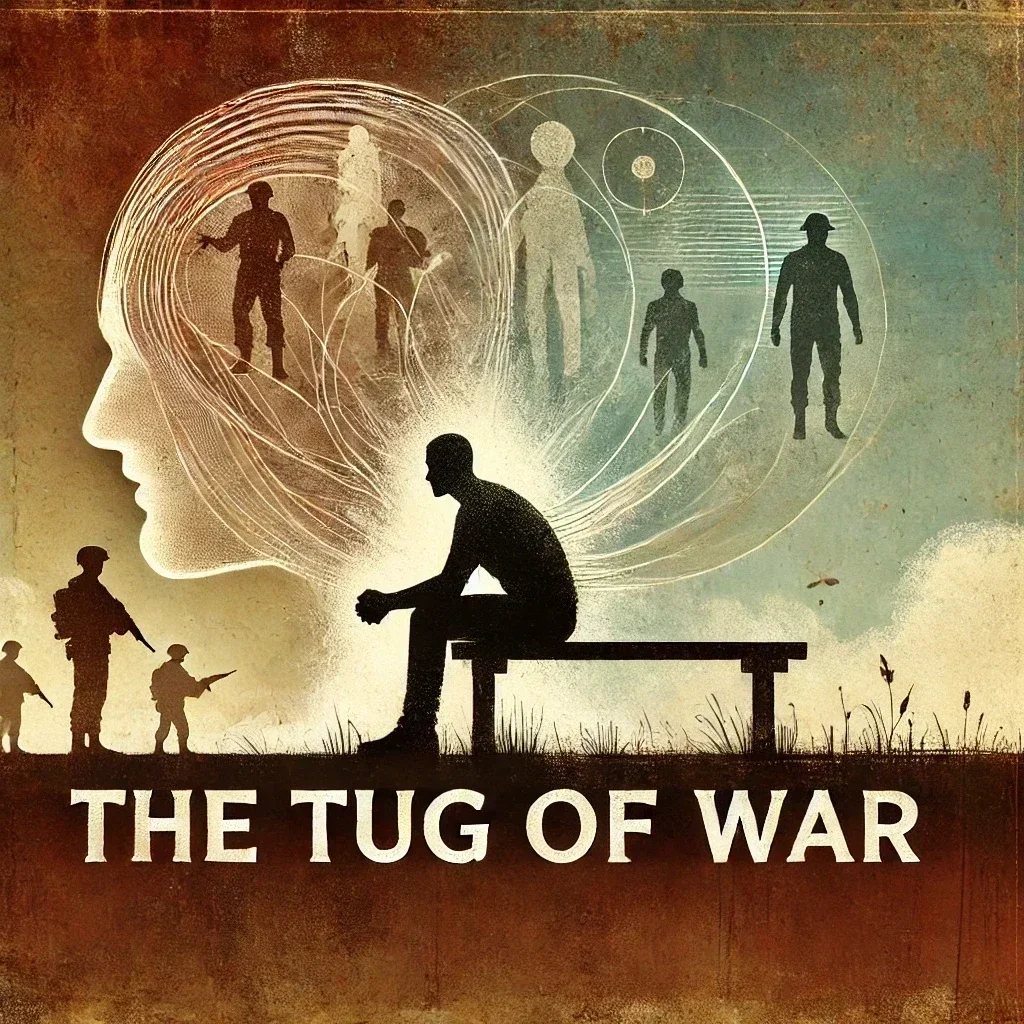
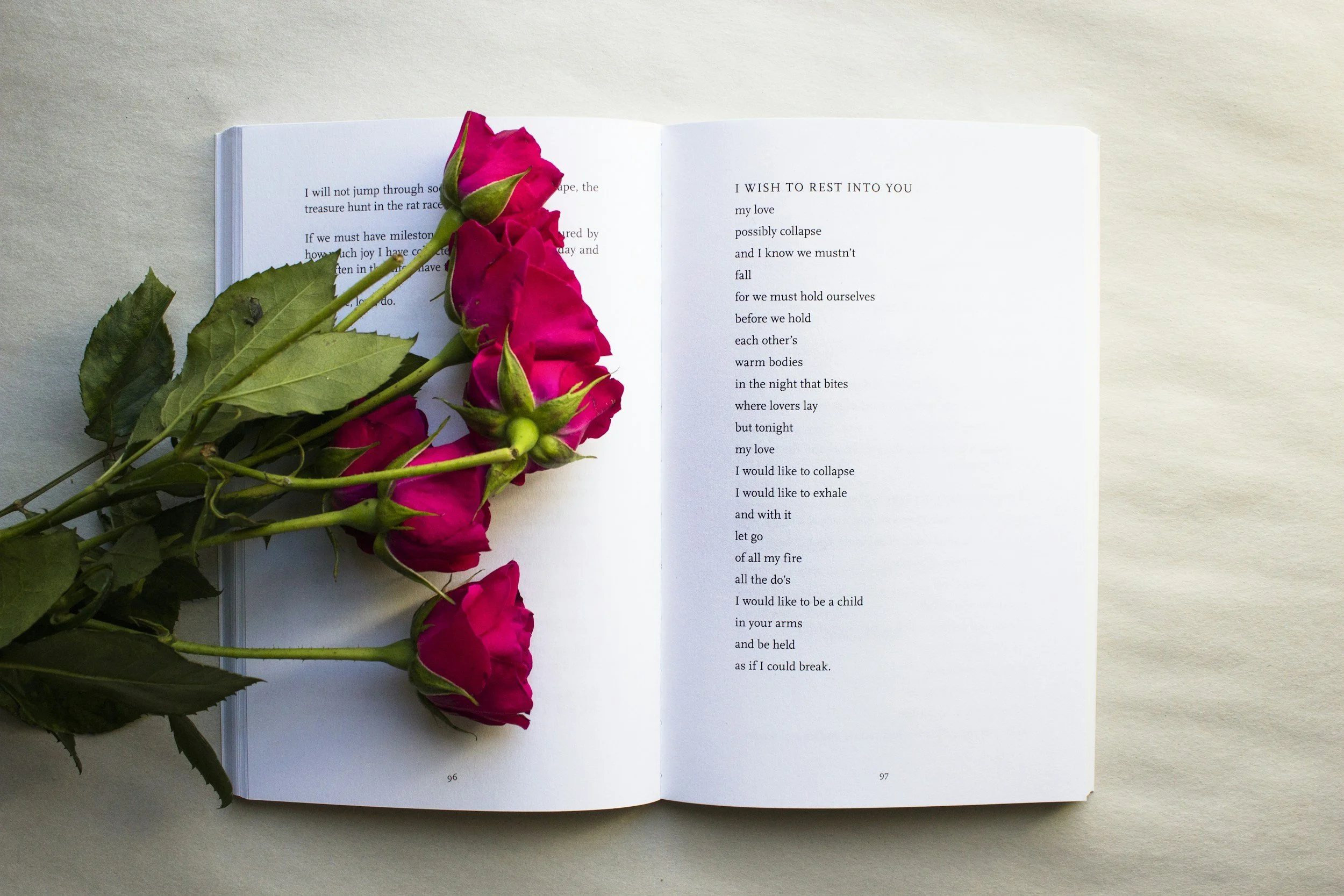
This poem is not an illustration of an idea. It is the idea, made speakable. What it carries cannot be reduced without being damaged. Prose can describe the concept of moral injury. Poetry lets the reader feel its pulse.
In my own work, poems and images are not additions to the text. They are structural. They are load-bearing. They are how the reader is invited to cross from intellect into moral encounter. Prose can inform. Art makes contact. And without contact, war becomes abstract again—manageable, distant, and falsely clean.
I saw this clearly in a recent conversation with senior Israeli mental-health professionals working with suicidal soldiers. Statistics were already known. Frameworks were already in place. What was missing was a language that could reach beneath despair. When I spoke using metaphor, story, and poetry, the room shifted—not because the content was new, but because the language finally matched the depth of the wound.
This has always been the task of art in times of war: to carry what cannot be carried any other way. From ancient epics to trench poems, from photographs to film, art preserves complexity without demanding resolution. It honors pain without exploiting it. It allows truth to move from one human being to another without being flattened.
This website exists to make room for that tradition. The work here is not meant to explain war away. It is meant to let it be seen, felt, and held—carefully, honestly, and without shortcuts. Veterans do not live inside footnotes. Our lives are shaped by moments that changed the internal weather forever. Art is how those moments remain communicable.
When war is reduced to prose alone, something essential is lost.
When poetry, image, and story are allowed to do their work, the truth—however difficult—can finally cross the distance between one life and another.
That crossing is the point.
The Tug of War
[ignore this section for now ]