Civilians
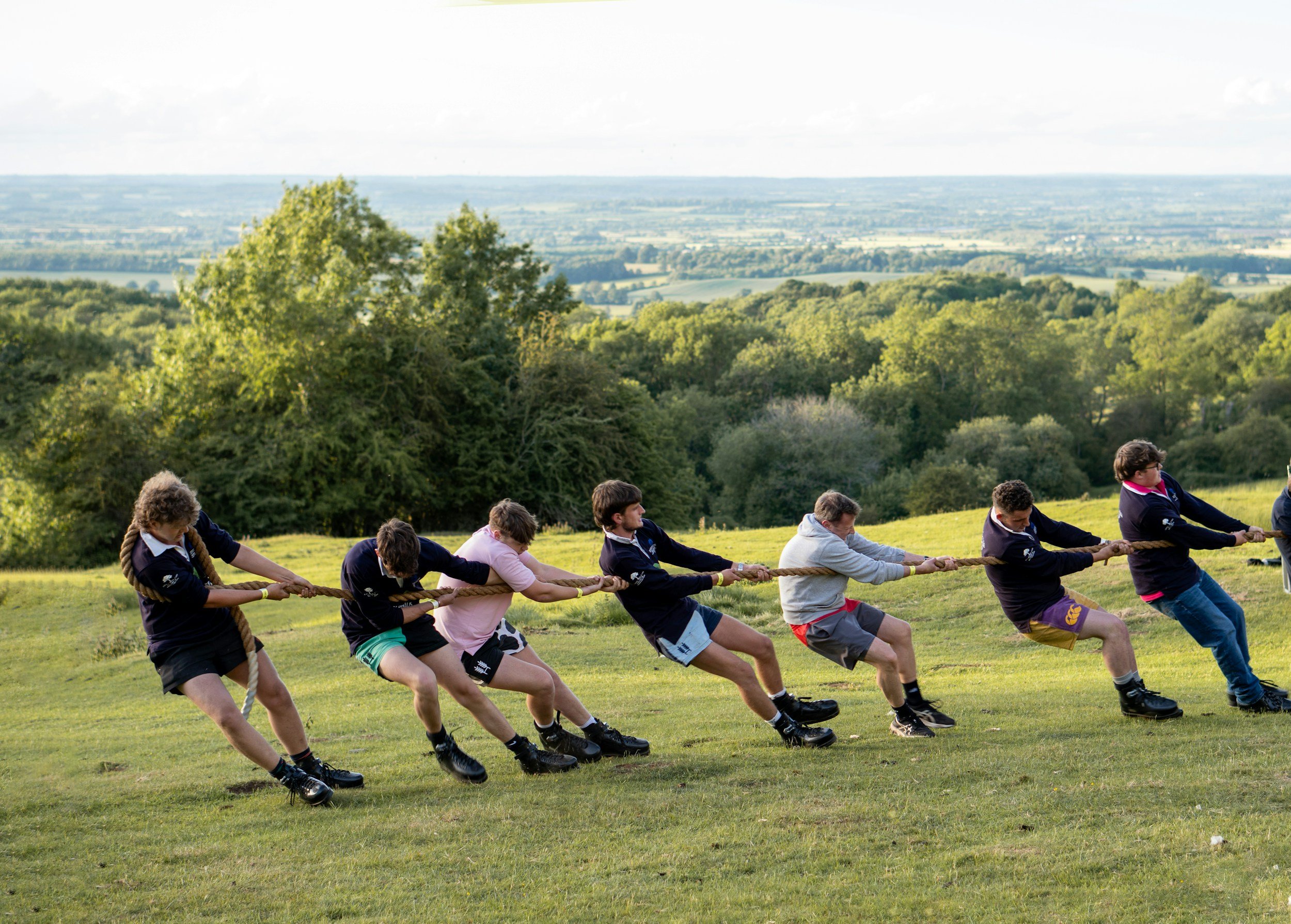
“The Tug of War” is as much about civilians as it is about soldiers and veterans. It is a metaphor for the struggles every living soul deals with in his or her life.
It’s about what young men are dealing with; but it’s also about children, adults and their elders.
If you are military, a veteran, a family member, neighbor, co-worker this is for you. But if not, then this is especially for you!
For more: Not a Veterans Story
Where It Is Now:
A Continuing Legacy
While the Veteran‑Civilian Dialogue, as originally conceived, may not be as active today, its legacy lives on in the hearts of those who participated. The Dialogue's core idea—listening to understand, not to fix—continues to influence and inspire similar programs and initiatives that seek to bridge the divide between military and civilian worlds.
The themes of connection and healing that defined the Dialogue are woven deeply into the fabric of The Tug of War. Just as the Dialogue worked to heal the wounds between veterans and civilians, The Tug of War seeks to understand and expose the moral cost of war, not just on soldiers but on everyone. It's a conversation about moral injury, moral responsibility, and the heavy silence that war imposes on those who fight and those who stay behind.
Why It Matters: A Call to Understand
The Tug of War invites readers into a larger conversation about war, its cost, and the toll it takes on both the individual soul and society. The Veteran‑Civilian Dialogue was one of the first steps in shifting the national narrative, calling on civilians to see beyond the uniform and into the hearts of veterans. The Tug of War aims to continue that Dialogue, reminding us that the moral injury caused by war cannot be cured by bandages or words alone. It requires deep reflection, open hearts, and the willingness to confront uncomfortable truths.
Join the Conversation. Understand the Cost.
Through The Tug of War, I invite you to continue this vital conversation. Let's move past the superficial divisions and speak to the heart of what matters—the unseen wounds of war that continue to shape our collective journey. If we can begin to listen, truly listen, then perhaps we can begin to heal.
The Veteran‑Civilian Dialogue:
Bridging Wounds, Finding Truth
The Veteran‑Civilian Dialogue is a living testament to the power of listening, understanding, and healing the invisible wounds of war. Co-created by Scott Thompson, a former U.S. Army chaplain, and Larry Winters, a Vietnam War veteran and psychotherapist, this Dialogue sought to bridge the emotional and moral gap between veterans and civilians—two groups that often walk parallel paths but rarely meet in the shared space of human understanding.
What It Was:
A Healing Conversation
The Veteran‑Civilian Dialogue was more than a program; it was a sanctuary where people could speak their truths and be heard. In New York City, beginning in 2009, veterans shared their combat experiences, moral struggles, and the profound cost of war, while civilians, many of whom had no direct connection to military service, listened—not to judge, but to understand. It was a space where empathy replaced politics, and storytelling became the bridge between two vastly different worlds. It was about presence, listening, and the courage to speak and hear the unspeakable.
What It Was:
A Healing Conversation
The Veteran‑Civilian Dialogue was more than a program; it was a sanctuary where people could speak their truths and be heard. In New York City, beginning in 2009, veterans shared their combat experiences, moral struggles, and the profound cost of war, while civilians, many of whom had no direct connection to military service, listened—not to judge, but to understand. It was a space where empathy replaced politics, and storytelling became the bridge between two vastly different worlds. It was about presence, listening, and the courage to speak and hear the unspeakable.
Where It Happened: The First Step Towards Healing
The Dialogue began in the heart of New York City at Intersections International, where the initial vision unfolded through small-group discussions and open, respectful exchanges. These intimate conversations offered both veterans and civilians a space to share their experiences without fear of misunderstanding. It wasn't therapy or political discourse; it was shared humanity—where war's echo could be heard by those who might not fully understand it, and where healing could take root through empathy, not argument.
What It Did: The Silent Wounds of War, Spoken Aloud
The Dialogue's impact was profound. It provided veterans with a platform to articulate their pain, a pain that often goes unspoken in civilian spaces. It gave civilians the chance to step outside their assumptions and hear firsthand what it means to carry the weight of war, not as a statistic or a headline, but as a deeply personal journey.
Through storytelling, the Dialogue broke down walls that divide, offering veterans a chance to unburden their souls, and civilians the opportunity to witness and understand the moral injury that often lies at the heart of combat. It was a space where the unspoken could find voice.
MORAL INJURY & PTSD…
A Viral Illness of the Soul
War changes behavior.
Behavior changes families.
Families change culture.
This is how trauma travels.
Moral injury is the wound created when your actions—even under orders—cut across your own sense of right and wrong.
PTSD is the wound created when the body can’t forget what the mind begs to release.
Both are contagious in the way a child absorbs a parent’s fear, or a spouse absorbs the tremor in a veteran’s voice.
This section explains:
What moral injury is
Why PTSD echoes across generations
How families unknowingly inherit the war
Why civilians must be part of the healing
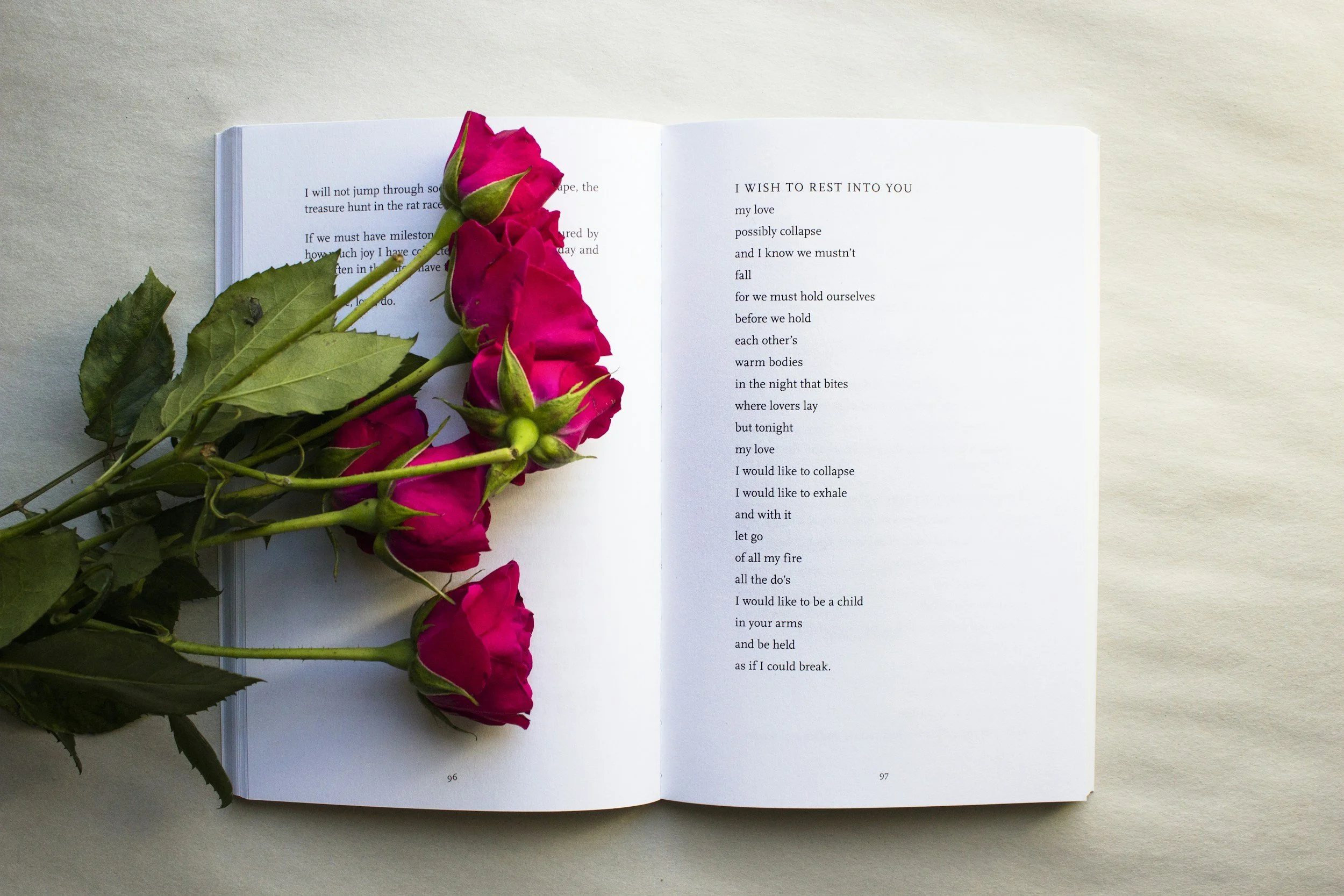
Images, videos and poetry…
Poetry is a life-cherishing force. For poems are not words, after all, but fires for the cold, ropes let down to the lost, something as necessary as bread in the pockets of the hungry. William Shakespeare
Visit: Pictures & Poetry
Visit: Audio Recordings (a page to come)
Visit: Video
Why War Needs Poetry, Image, and Story
How veterans’ realities are carried when explanation fails
At 4:00 a.m., something settled.
Not an argument—an understanding that had finally stopped moving.
I have spent my adult life trying to understand what war did to me. I approached it the way our culture teaches us to approach damage: explanation, analysis, diagnosis, policy language. Those methods were useful, even necessary—but they never reached the place where the injury actually lived. They circled the truth without entering it.
The only language that ever went deep enough was metaphor, simile, allegory—poetry and image. This was not a stylistic preference. It was a discovery. And when I looked more closely, I realized it was also a lineage.
War has never been carried into the public soul by exposition alone. From The Iliad, where Achilles is not explained but sung, we learn something essential: the truth of war arrives sideways. Achilles’ rage is not analyzed; it is embodied. It moves like weather through the poem, recognizable because it is felt before it is understood.
The modern world relearned this in the trenches of World War I. Wilfred Owen did not argue war into public consciousness; he delivered it. His line—“My subject is War, and the pity of War”—still works because it bypasses explanation and strikes the nervous system directly. During Vietnam, the same truth emerged again through Life magazine. Photographs did what editorials could not. Images became moral witnesses. They showed what language often cannot say without breaking.
This is why poetry, literature, and film matter when we speak about veterans’ lives. War fractures ordinary language. It creates experiences that resist linear explanation. Art does not decorate those experiences—it carries them. It gives form to what would otherwise remain locked inside the body.
One of the ways I came to understand this was by writing the poem below. It was written long before I had language like moral injury. I did not know what I was naming. I only knew what remained.
Visit: Pictures & Poetry
Visit: Audio Recordings (a page to come)
Visit: Video